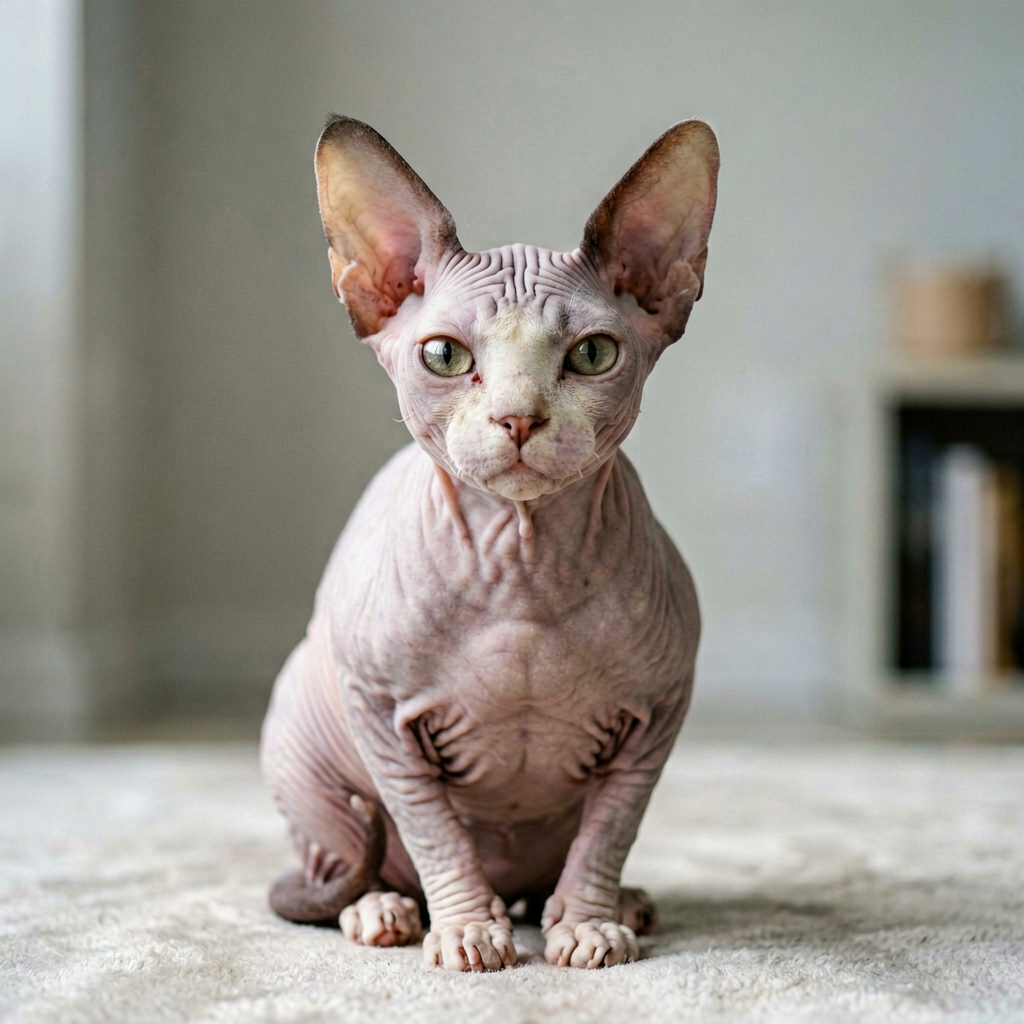
Sphynx
The hairless, suede-warm extrovert who craves body heat.
About the Sphynx
The Sphynx originated in Toronto in 1966 from a hairless kitten named Prune. Despite their nude appearance, Sphynx cats are not actually hairless — they have a fine layer of peach-fuzz down. They need regular bathing to remove body oils that would normally be absorbed by fur, and they love to snuggle for warmth.
Common health issues
Every breed has predispositions. Knowing them helps you watch for early signs and discuss screening with your vet.
30+ min daily. They are surprisingly athletic and acrobatic.
Weekly bathing, ear cleaning, nail care. Sun protection if outdoors.
Highly food-motivated. Can learn tricks and even fetch. Treat them like small dogs in cat form.
Cost of ownership
Monthly bathing required ($30+/mo in supplies or groomer). Need sweaters in winter.
Fun facts
- 🐾They are NOT hypoallergenic — they still produce the Fel d 1 allergen, just spread differently.
- 🐾Their body temperature is slightly higher than most cats to compensate for the lack of fur.
- 🐾Mr. Bigglesworth in Austin Powers was a Sphynx.
Best suited for
What next?
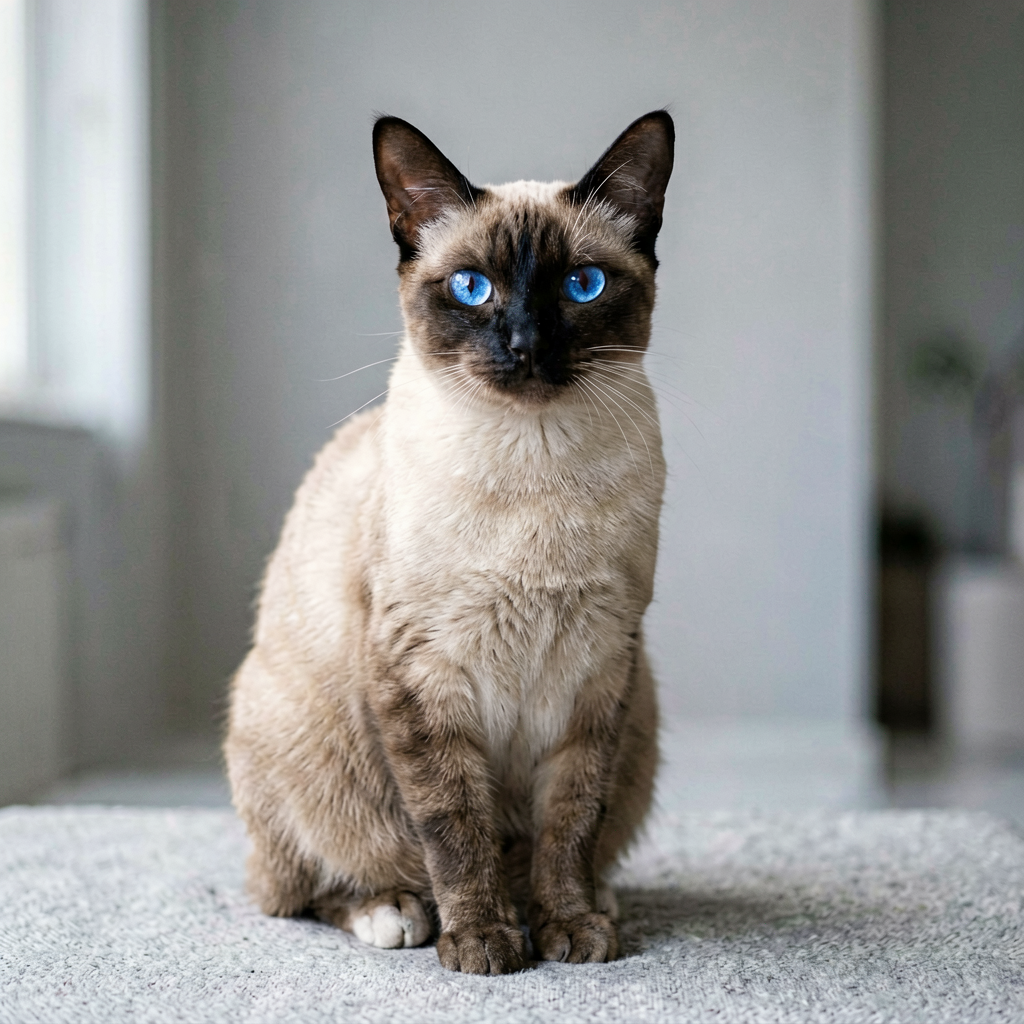
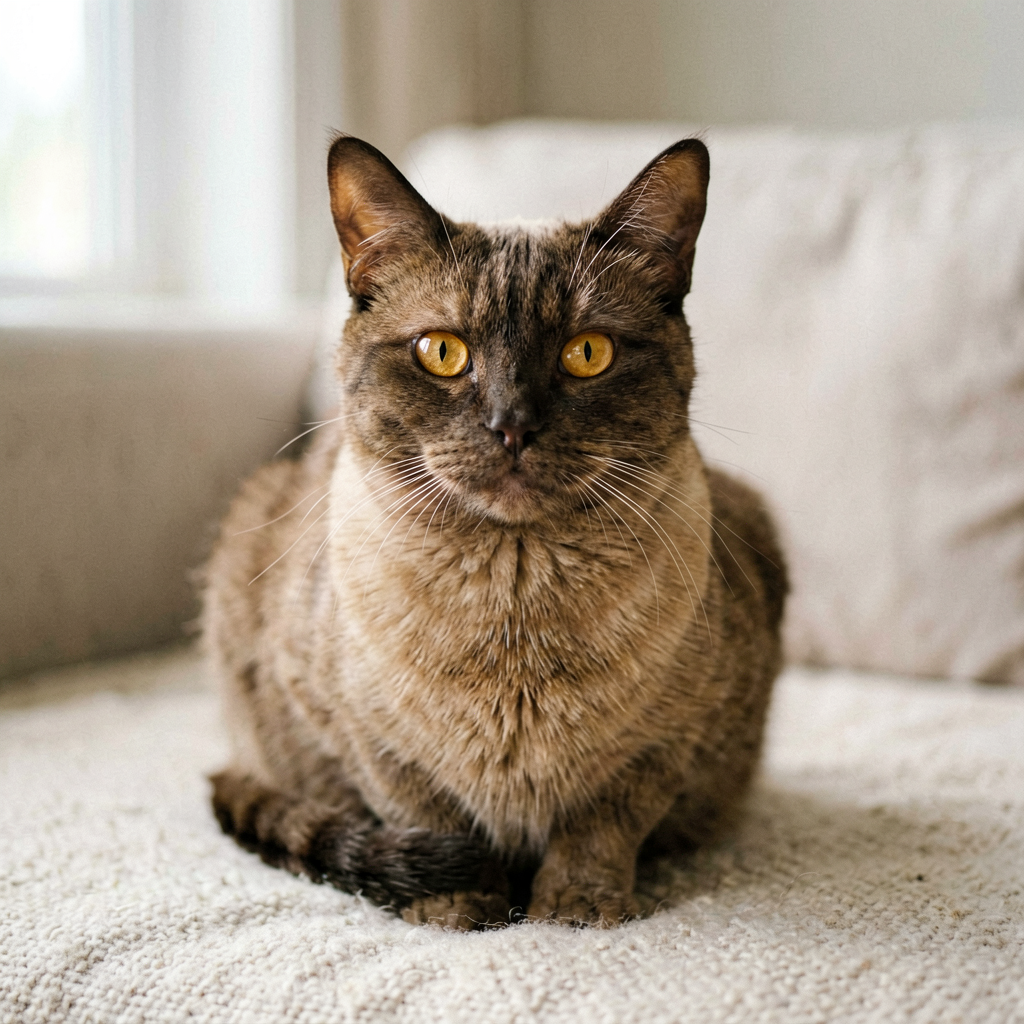
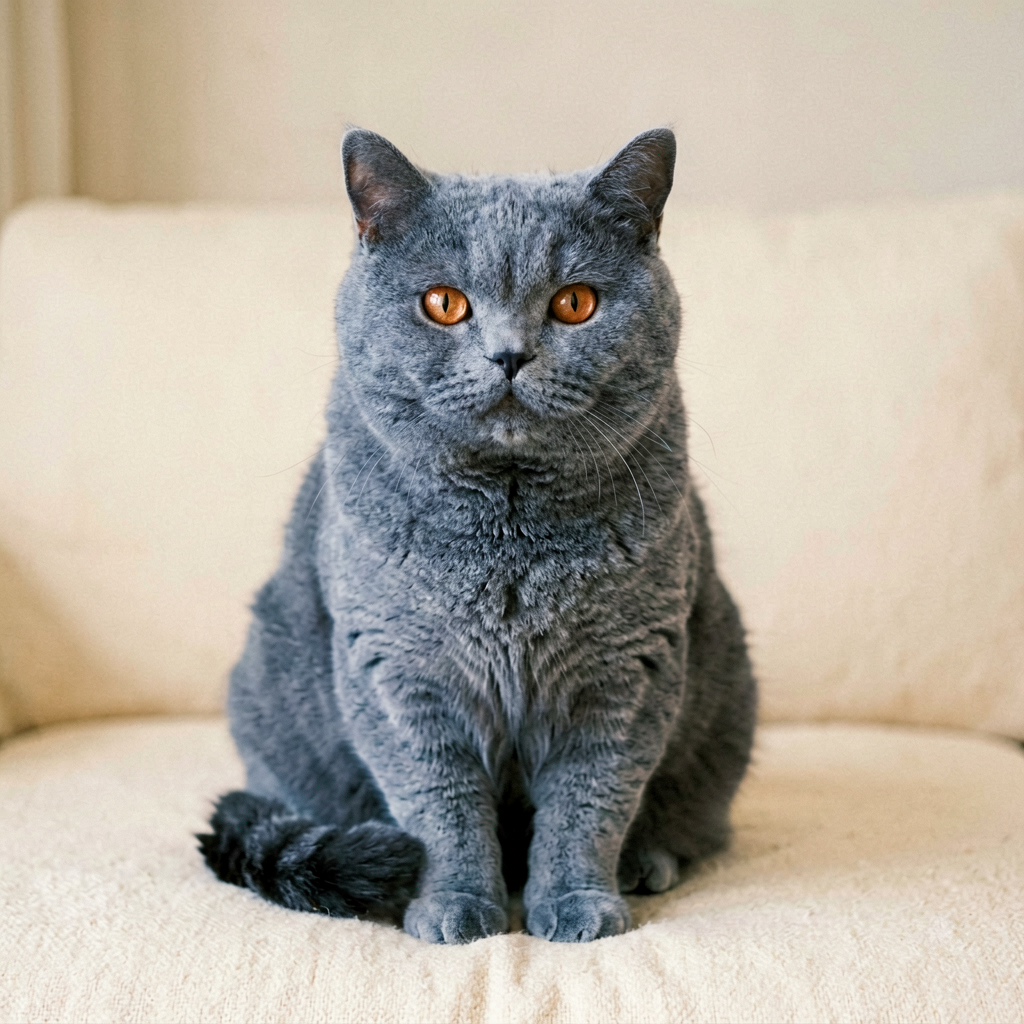
Similar breeds
Medical disclaimer: This profile is for general information only and is not a substitute for veterinary advice. Always consult a licensed veterinarian for any health concerns.