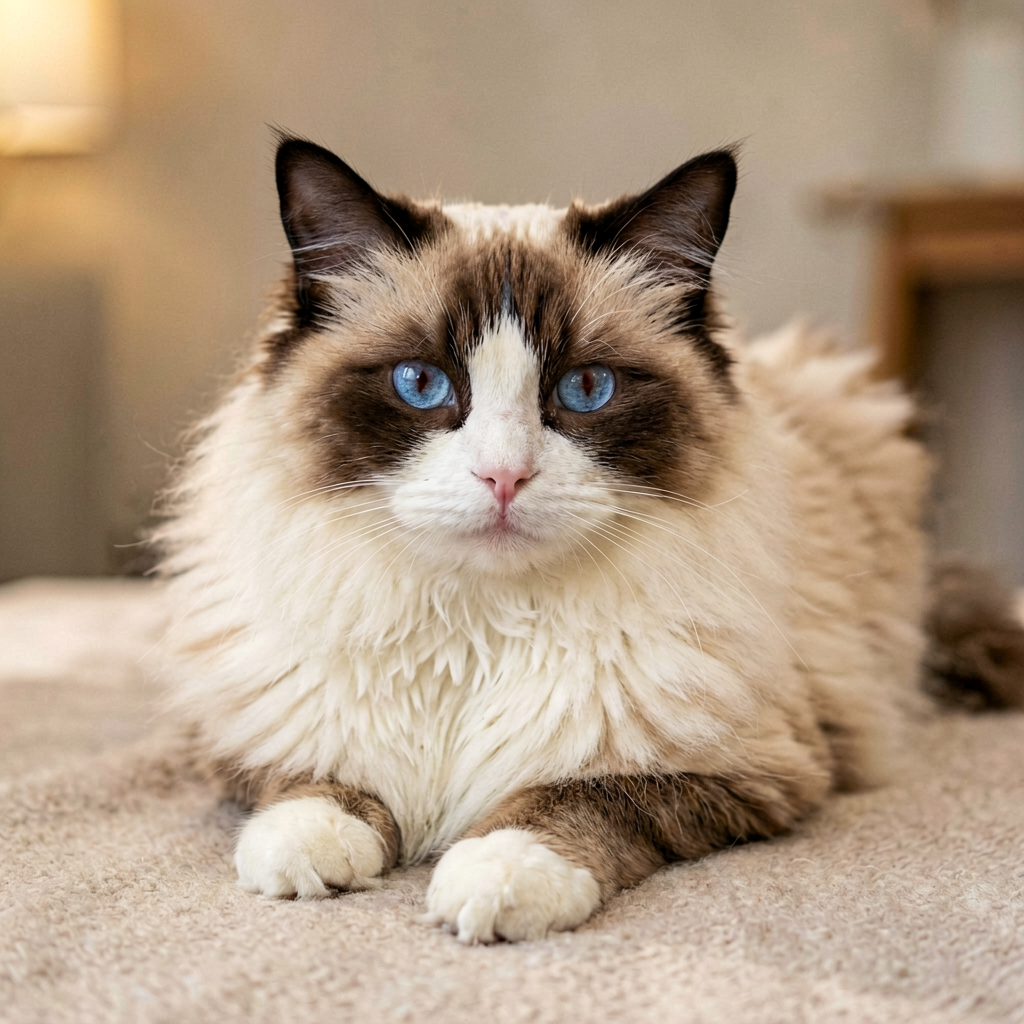
Ragdoll
The floppy, blue-eyed, dog-like lap cat.
About the Ragdoll
Developed in the 1960s by Ann Baker in Riverside, California, the Ragdoll earned its name from its tendency to go limp when picked up. Their silky semi-long coat, striking blue eyes, and puppy-like following behavior have made them one of the most popular cat breeds in North America. They are indoor cats through and through.
Common health issues
Every breed has predispositions. Knowing them helps you watch for early signs and discuss screening with your vet.
20–30 min daily play sessions. They prefer lounging over acrobatics.
Brushing 2–3× per week. Ragdolls tangle less than Persians.
Will fetch. Will learn their name. Will follow you to the bathroom. They're basically small dogs.
Cost of ownership
Generally healthy. Watch for cardiac issues, which can be screened with ultrasound.
Fun facts
- 🐾Ragdolls are born all-white and develop their color over 2–3 years.
- 🐾They will literally go limp when you hold them — it's not a myth.
- 🐾All pedigreed Ragdolls can be traced to Ann Baker's original cats.
Best suited for
What next?
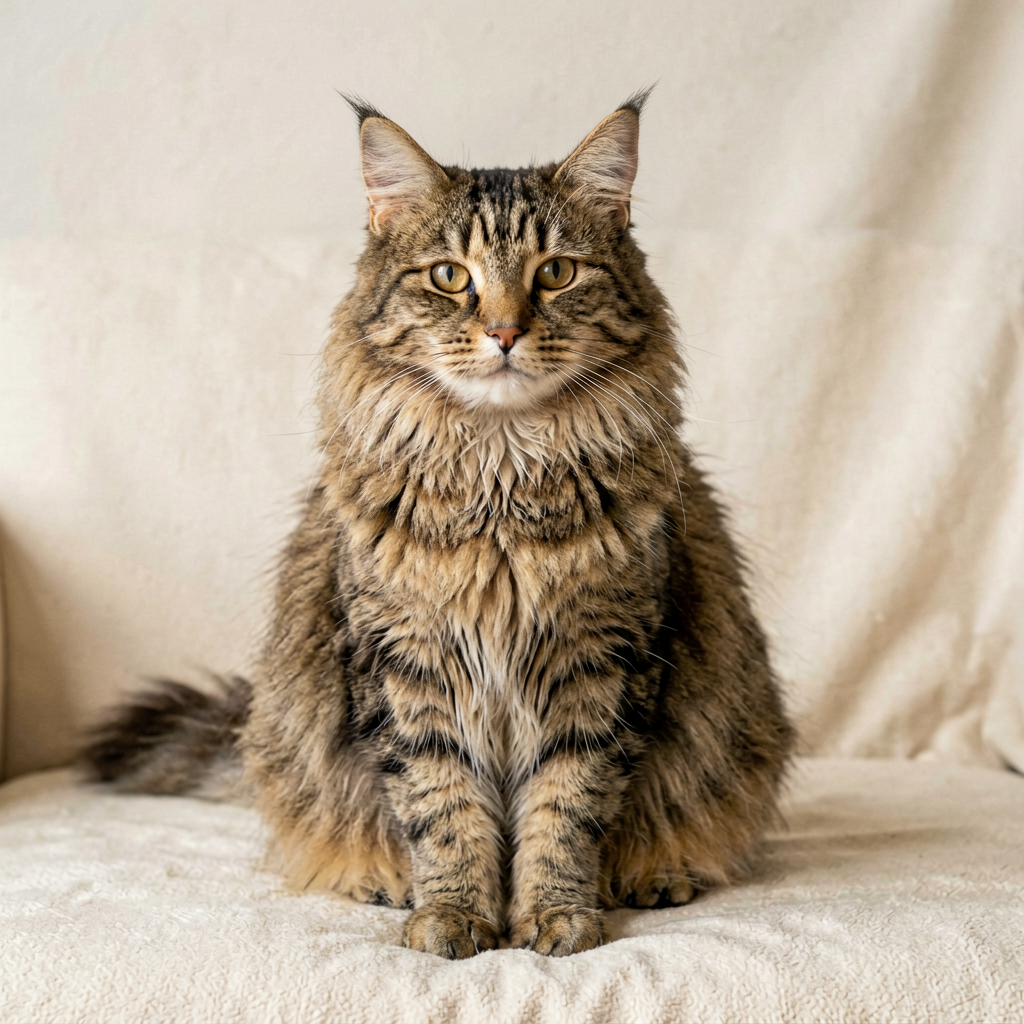
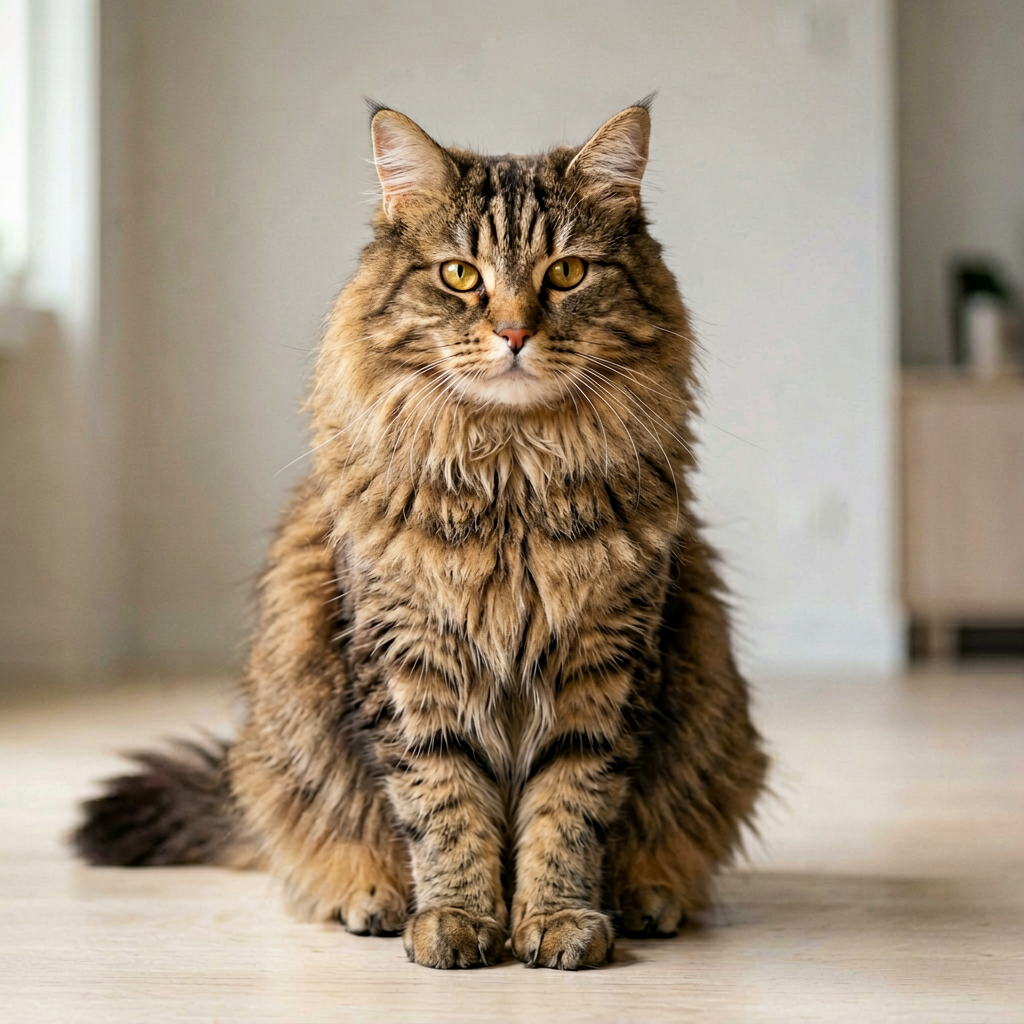
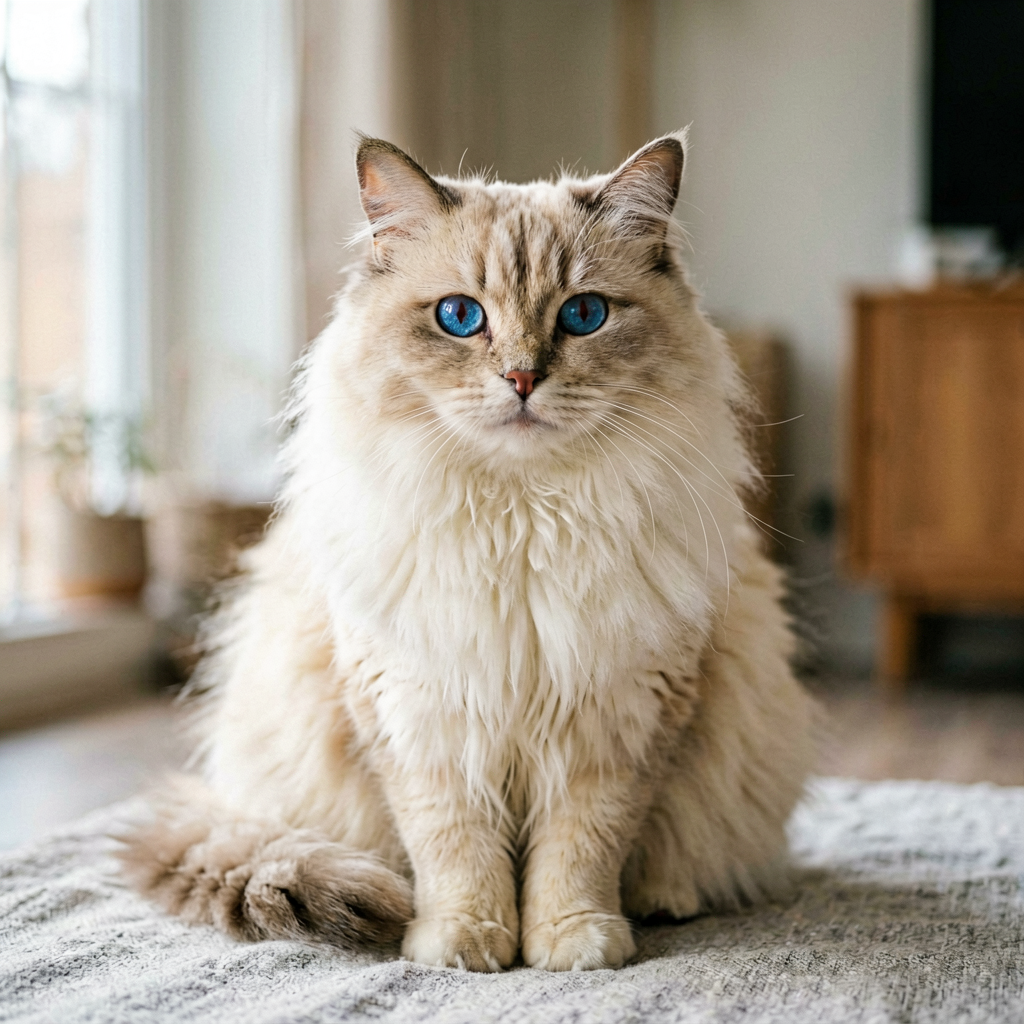
Similar breeds
Medical disclaimer: This profile is for general information only and is not a substitute for veterinary advice. Always consult a licensed veterinarian for any health concerns.